

Hey there! As a supplier of UV laser marking machines, I often get asked, "Can a UV laser marking machine mark on wood materials?" Well, let's dive right into it and find out.
First off, let's understand what a UV laser marking machine is. UV lasers operate at a shorter wavelength compared to other types of lasers, like fiber lasers. This short wavelength gives UV lasers some unique properties that make them suitable for a variety of marking applications.
Now, onto the main question: Can it mark on wood? The answer is a big yes! UV laser marking machines can indeed mark on wood materials, and they do it quite effectively.
How Does UV Laser Marking Work on Wood?
When a UV laser beam hits the surface of the wood, it interacts with the wood fibers at a molecular level. The high - energy photons in the UV laser break the chemical bonds in the wood's surface layer. This causes a change in the color and structure of the wood, creating a permanent mark.
One of the great things about UV laser marking on wood is that it's a non - contact process. Unlike traditional marking methods that might involve cutting or stamping, the laser doesn't physically touch the wood. This means there's no risk of damaging the wood's surface or causing any mechanical stress.
Advantages of Using a UV Laser Marking Machine on Wood
High Precision
UV lasers can create extremely detailed and precise marks on wood. Whether you're looking to mark a small logo, a serial number, or a complex design, a UV laser marking machine can handle it with ease. The beam can be focused to a very small spot size, allowing for high - resolution marking.
Permanent Marking
The marks made by a UV laser on wood are long - lasting. They won't fade over time, even when exposed to sunlight, moisture, or normal wear and tear. This makes UV laser marking ideal for products that need to have a durable identification or branding.
Versatility
You can use a UV laser marking machine to mark different types of wood, including hardwoods like oak and maple, as well as softwoods like pine and cedar. It can also mark on veneers and plywood. And the best part is, you can mark a wide range of designs and patterns, from simple text to elaborate graphics.
Applications of UV Laser Marking on Wood
Furniture Industry
In the furniture industry, UV laser marking can be used to brand furniture pieces with the manufacturer's logo or a unique identifier. It can also be used to mark instructions or care labels directly on the wood surface. For example, a high - end furniture maker might use a 5w UV Laser Marking Machine to mark their logo on the side of a cabinet, giving it a professional and high - quality look.
Wood Crafts
If you're into wood crafts, a UV laser marking machine can take your creations to the next level. You can mark personalized designs on wooden boxes, picture frames, or jewelry boxes. This adds a unique touch to your handmade items and can increase their value.
Packaging
Wooden packaging materials can also benefit from UV laser marking. You can mark shipping labels, barcodes, or product information directly on the wood. This is not only more efficient but also more environmentally friendly than using stickers or labels.
Factors to Consider When Using a UV Laser Marking Machine on Wood
Wood Type
Different types of wood have different chemical compositions and densities. This can affect how the UV laser interacts with the wood and the quality of the mark. For example, hardwoods might require a higher laser power to create a visible mark compared to softwoods.
Laser Power
The power of the UV laser marking machine is an important factor. A higher - power laser can mark faster and more deeply, but it also runs the risk of burning the wood if not properly adjusted. For most wood marking applications, a 3w UV Laser Marking Machine or a 5w machine should be sufficient.
Marking Speed
You need to find the right balance between marking speed and mark quality. If you set the marking speed too high, the mark might be faint or incomplete. On the other hand, if the speed is too low, it can take a long time to complete the marking process.
Comparing UV Laser Marking with Other Marking Methods on Wood
Inkjet Printing
Inkjet printing is a common marking method, but it has some limitations. The ink can fade over time, and it might not adhere well to the wood's surface. Also, inkjet printing requires the use of ink, which can be messy and expensive in the long run. In contrast, UV laser marking is a clean and cost - effective solution in the long term.
Engraving
Traditional engraving methods involve physically cutting into the wood. This can be time - consuming and might damage the wood's surface. UV laser marking, as a non - contact process, doesn't have these issues and can achieve similar results in terms of mark visibility.
Our UV Laser Marking Machines for Wood Marking
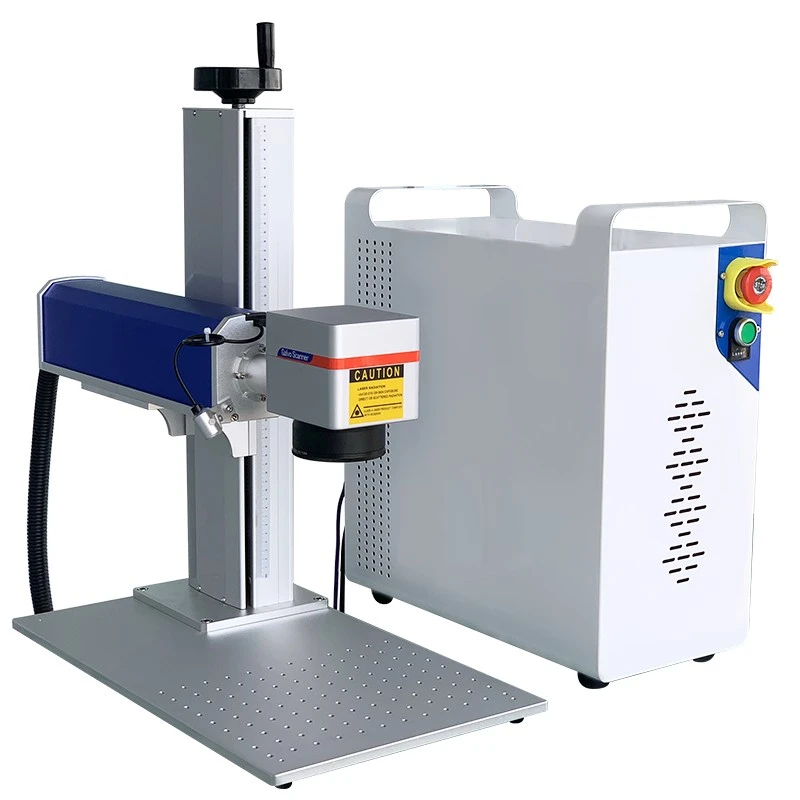
At our company, we offer a range of UV laser marking machines that are perfect for marking on wood. Our 5w UV Laser Marking Machine is a popular choice for those who need high - speed and high - precision marking. It can handle large - volume production with ease.
If you're looking for a more budget - friendly option without compromising on quality, our 3w UV Laser Marking Machine is a great choice. It's suitable for small - to medium - sized businesses or for projects that don't require extremely high - power marking.
We also have experience in using UV laser marking machines for other materials, like plastic. Check out our UV Laser Marking Plastic page to learn more about how our machines can be used in different applications.

Conclusion
So, to sum it up, a UV laser marking machine is an excellent choice for marking on wood materials. It offers high precision, permanent marking, and versatility. Whether you're in the furniture industry, wood crafts, or any other field that involves wood products, a UV laser marking machine can help you create professional - looking and durable marks.
If you're interested in learning more about our UV laser marking machines or have any questions about using them on wood, don't hesitate to get in touch. We're here to help you find the right solution for your marking needs.
References
- "Laser Materials Processing" by John C. Ion
- "Handbook of Laser Technology and Applications" edited by Christopher B. E. Cocks