

When it comes to the world of precision cutting and engraving, CO2 laser cutting machines stand out as powerful tools, offering high precision and versatility across various industries. As a supplier of CO2 laser cutting machines, I've witnessed firsthand the transformative capabilities of these devices. However, with great power comes great responsibility. Ensuring safety when operating a CO2 laser cutting machine is not just a best practice; it's a necessity. In this blog, I'll share essential safety precautions to follow when using a CO2 laser cutting machine.
1. Operator Training and Certification
Before anyone lays hands on a CO2 laser cutting machine, proper training is non - negotiable. A well - trained operator understands the machine's functions, limitations, and potential hazards. Training programs should cover topics such as machine operation, emergency procedures, and maintenance.
Certification is also an important aspect. It serves as proof that an operator has received the necessary education and has demonstrated the skills required to operate the machine safely. As a supplier, we often recommend that our customers send their operators for professional training courses. This helps in reducing the risk of accidents and ensuring that the machine is used to its full potential. For those new to laser cutting, our Laser Cutting Machine for Beginners comes with detailed guides and support to assist in the learning process.
2. Machine Installation and Environment
The installation of a CO2 laser cutting machine is a critical step that can significantly impact safety. The machine should be installed in a well - ventilated area. CO2 laser cutting generates fumes and particulate matter, which can be harmful if inhaled. A proper ventilation system, such as an exhaust fan or a fume extractor, should be in place to remove these contaminants from the work area.
The floor where the machine is installed should be level and stable. Uneven surfaces can cause the machine to vibrate during operation, which may affect the cutting quality and pose a safety risk. Additionally, the area around the machine should be clear of clutter. This allows for easy movement of the operator and reduces the risk of tripping or knocking into objects.
3. Personal Protective Equipment (PPE)
Wearing the appropriate personal protective equipment is essential when operating a CO2 laser cutting machine. Safety glasses or goggles specifically designed for laser use are a must. These glasses are designed to block the specific wavelengths of light emitted by the CO2 laser, protecting the operator's eyes from potential damage.
Gloves should also be worn to protect the hands from hot materials and sharp edges. Heat - resistant gloves are recommended, especially when handling materials that have just been cut, as they can retain a significant amount of heat. In some cases, depending on the type of materials being cut, a respirator may be required to protect against inhaling harmful fumes or dust.
4. Material Selection and Preparation
Not all materials are suitable for CO2 laser cutting. Some materials, when cut with a CO2 laser, can release toxic gases or produce hazardous by - products. For example, cutting PVC (polyvinyl chloride) with a CO2 laser can release chlorine gas, which is extremely toxic. As a supplier, we provide our customers with a list of materials that are safe to cut with our machines.
Before cutting, materials should be properly prepared. They should be clean and free of any debris or contaminants. This not only ensures a better cutting result but also reduces the risk of fire. Loose materials or debris can catch fire easily when exposed to the high - energy laser beam.
5. Fire Prevention
Fire is one of the most significant risks associated with CO2 laser cutting. The high - energy laser beam can generate a lot of heat, which can ignite flammable materials. To prevent fires, a fire extinguisher should be readily available in the work area. The type of fire extinguisher should be suitable for extinguishing fires involving electrical equipment and flammable materials.
Regular maintenance of the machine is also crucial for fire prevention. Check the laser tube, lenses, and other components regularly for signs of damage or wear. A damaged laser tube or lens can cause the laser beam to scatter, increasing the risk of fire. Additionally, keep a fire blanket nearby, which can be used to smother small fires if they occur.
6. Machine Maintenance
Regular maintenance is key to the safe and efficient operation of a CO2 laser cutting machine. Follow the manufacturer's recommended maintenance schedule. This includes cleaning the lenses, checking the alignment of the laser beam, and inspecting the cooling system.
The cooling system is particularly important, as it helps to keep the laser tube at a stable temperature. If the cooling system fails, the laser tube can overheat, which may lead to damage or even a fire. Check the coolant level regularly and replace it as needed.
7. Emergency Procedures
Every operator should be familiar with the emergency procedures in case of an accident. This includes knowing how to shut down the machine quickly in case of an emergency. Most CO2 laser cutting machines are equipped with an emergency stop button, which should be easily accessible.
In the event of a fire, operators should know how to use the fire extinguisher and when to evacuate the area. Evacuation routes should be clearly marked in the work area, and regular fire drills should be conducted to ensure that all employees are prepared.
8. Monitoring and Supervision
Continuous monitoring of the machine during operation is important. Operators should keep an eye on the cutting process, looking for any signs of abnormal behavior, such as excessive smoke, strange noises, or a change in the cutting quality. If any issues are detected, the machine should be stopped immediately, and the problem should be addressed.
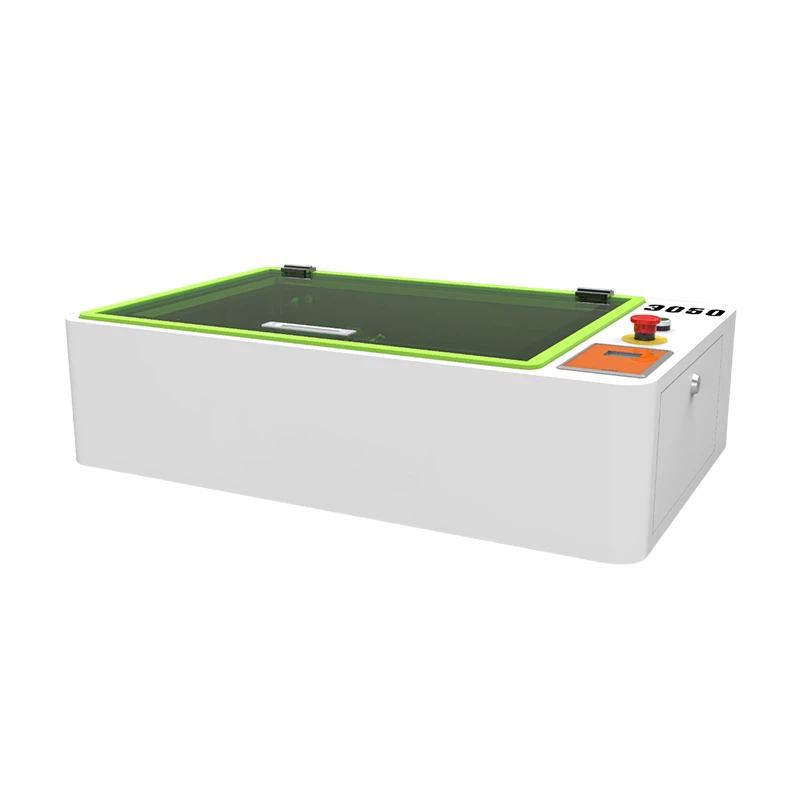

In addition to operator monitoring, supervision is also necessary, especially in a workplace setting. A supervisor can ensure that all safety procedures are being followed and can provide guidance and support to the operators.
9. Software and Control System Safety
The software and control system of a CO2 laser cutting machine play a crucial role in its operation. Ensure that the software is up - to - date with the latest security patches. Outdated software may have vulnerabilities that could be exploited, leading to unauthorized access or improper machine operation.
Password - protect the control system to prevent unauthorized use. Only trained and authorized personnel should have access to the machine's control panel and software. This helps in maintaining the integrity of the cutting process and reduces the risk of accidents caused by improper settings.
Conclusion
Operating a CO2 laser cutting machine safely requires a combination of proper training, appropriate safety equipment, and regular maintenance. By following these safety precautions, operators can minimize the risk of accidents and ensure a safe working environment.
As a supplier of CO2 laser cutting machines, we are committed to providing our customers with high - quality products and comprehensive support. Our Desktop Co2 Laser Engraver and Small Acrylic Cutting Machine are designed with safety in mind, but it's still essential for users to follow all safety guidelines.
If you're interested in purchasing a CO2 laser cutting machine or have any questions about safety precautions, we encourage you to contact us for a detailed discussion. Our team of experts is ready to assist you in finding the right machine for your needs and ensuring that you have all the information you need to operate it safely.
References
- Laser Safety Guide, International Laser Safety Association
- CO2 Laser Cutting Machine User Manuals